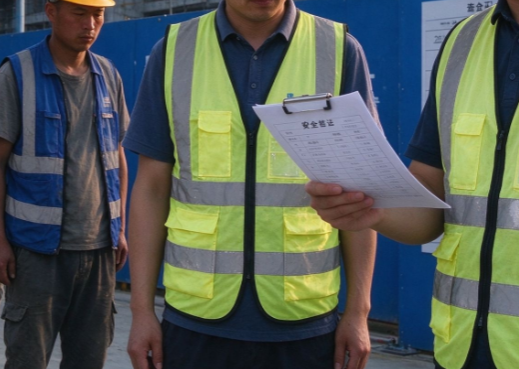
Stricter supervision in the construction industry is driving labor employment towards standardization. Requirements such as worker real-name system, contract management, and dedicated wage accounts are accelerating implementation, with compliance capabilities becoming the basic threshold for labor service companies to participate in projects. The real-name system is being upgraded to a digital closed loop, enabling site entry verification, attendance, safety education, certificates, and wage information with one-person-one-file traceability, reducing risks of unlicensed work and labor disputes, while improving efficiency in coordinating teams across multiple projects and resource allocation.
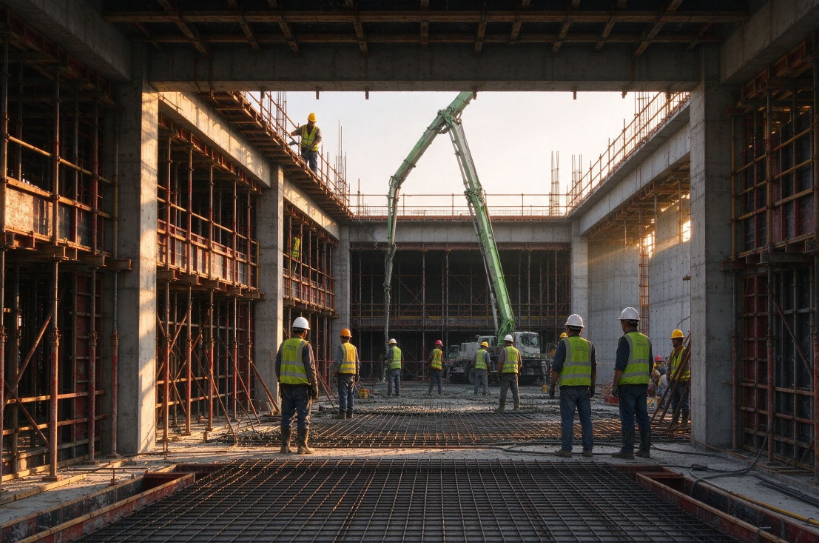
During the main structure phase of building construction, formwork, rebar, and concrete operations overlap frequently, and process connection and acceptance management directly affect construction schedule, quality, and safety. By clarifying sequence logic, key quality control points, pouring supervision and three-inspection system, and managing team boundaries and high-risk segment safety control, waiting time and rework can be reduced, improving main structure construction efficiency.
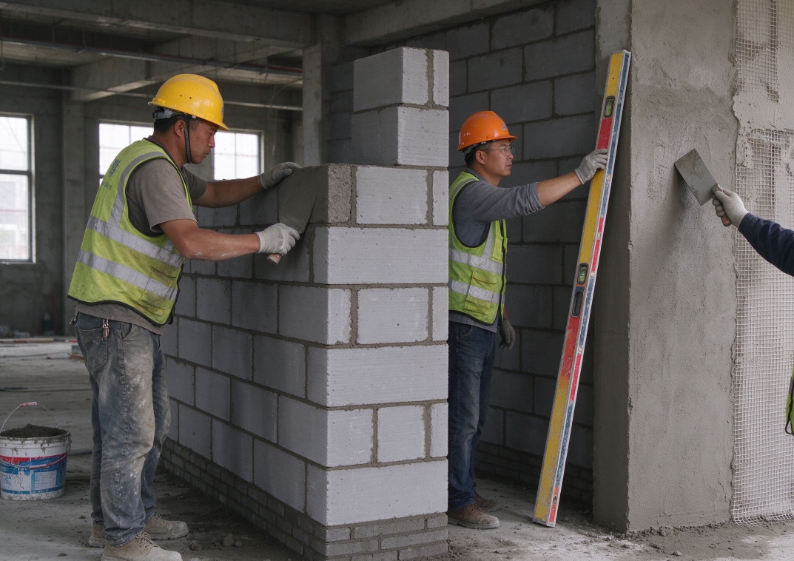
Masonry and plastering are critical processes before decoration. Common defects such as hollowing, cracking, and verticality deviation often stem from inadequate tie bar installation and non-standard substrate treatment. Through moisture content control, structural connections, staggered bonding, along with mesh installation, slurry application, layered construction and curing in plastering, combined with enhanced team capabilities, rework and maintenance costs in decoration phase can be significantly reduced.
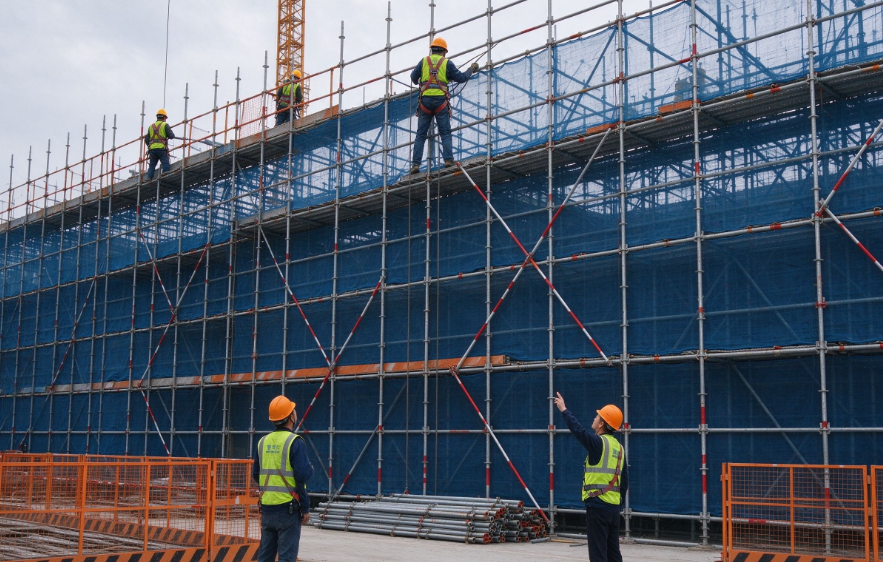
As a high-risk project, scaffolding is prone to falls from height and structural instability and collapse during erection, use, and dismantling. It requires preparation and review of special plans and necessary expert evaluation, as well as implementation of requirements for certified operations, structural configuration, and joint acceptance and signage. During use, overloading and unauthorized removal of wall ties are strictly prohibited, work must stop in severe weather, and dismantling must follow proper sequence with hoisting and warning isolation. Standardized management and control can reduce accidents and work stoppage credit risks.